
Curious about what’s happening in the Eldernet community? This is where you’ll find the latest updates and news from people across the motu.
Next Step Retirement Living - Advocacy services
1 hour ago - Auckland

Choosing a Retirement Village - What Matters Most?
Get independent advice before you decide.
Retirement Villages can look similar, but costs,contracts and lifestyle options can vary greatly.
Carmel provides independent guidance to help you understand your options, compare choices, and feel confident in your decision.
Talk to Carmel today
027 2276356
carmel@nextstepinfo.co.nz.
nextstepinfo.co.nz
Start with a conversation and take the Next Step with confidence
Nurse Maude Health & Mobility Shop - Mobility aids & useful products
6 hours ago - Christchurch

Tena Insta Pads- $11.00
A great continence pad for mid to high leaks- especially for those that are active.
The shape is contoured to the body and has flexible gussets that move as you do.
20 pads in the packet for only $11.
Healthvision - Home help & personal care
1 day ago - Auckland
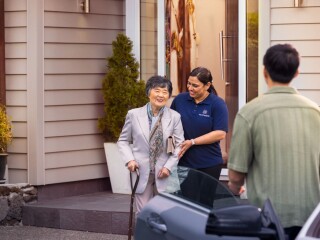
Trusted care and support in your own home
Healthvision provides personalised home care and support for older New Zealanders, with both government-funded and private care options available.
Support can be tailored to your needs and includes:
Respite & short-term care
Household help & general daily tasks
Meal preparation
Personal care & daily living support
Post-surgical care & recovery
Palliative & end-of-life support
Community nursing & wound care
Rehabilitation support
Whether you need a little extra help around the home, temporary support while recovering, respite care, or more specialised nursing and palliative support, Healthvision can provide care designed around you.
Our carers focus on building trusted relationships and providing respectful, compassionate support that helps you maintain your independence and quality of life at home.
Hare to Help - Downsizing & moving home
1 day ago - Christchurch

Garden Pots and Urns
Needing help with transporting your outdoor potted plants and urns to a new home or simply to a new spot in your garden?
We all know how heavy and hard they are to move!!
Moving plants in the van also protects them from the outdoor elements that causes leaf stress and damage.
Give us a call to discuss if we can help you.
CBM Christian Blind Mission - Charitable Organisations
1 day ago - Auckland

Making impossible dreams come true.
At a cbm-partnered hospital in Uganda, six-year-old Faith and her mum, Esther, have arrived for the day they have been praying for – Faith’s sight-saving cataract surgery.
Cataracts in both eyes have left Faith struggling to move around safely, play with other children, and experience the world around her.
Holding tightly to her mum’s hand, Faith waits until Carol, a caring hospital social worker, gently leads her away to prepare for surgery.
Dressed in her little blue theatre gown, careful measurements are taken before the skilled surgeon begins the delicate operation.
For around 40 minutes, Esther waits anxiously outside, praying for her little girl.
Faith’s cataracts are particularly dense, making the surgery challenging. But both cataracts are successfully removed, and new lenses are implanted.
“When they took her into the theatre, I felt so shaken. I even thought of stopping the surgery,” Esther recalls. “But I kept praying. I knew this was the only way she could ever see again.”
For a child like Faith, restored sight can mean so much – the chance to learn, play, grow in confidence, and experience the world around her more fully.
And Child Sponsors help make transformations like this possible.
Through your regular support, you can help children with disabilities living in the world’s poorest places access life-changing healthcare, rehabilitation, education, and other vital support – helping give them greater independence and hope for the future.
Your sponsorship can become part of a child’s journey towards a brighter
future.
Public Trust - Legal/Financial
1 day ago - Multiple locations- Nationwide

10% off wills and EPAs at Public Trust
Our wills and Enduring Power of Attorney (EPAs) just got even more affordable! You can now get 10% off with a SuperGold card. Make an appointment today or enter the offer code SUPER10 when completing your will and EPAs online.
The best time to get your will and EPAs is now!
Simpson Family Care - Home help & personal care
4 days ago - Auckland
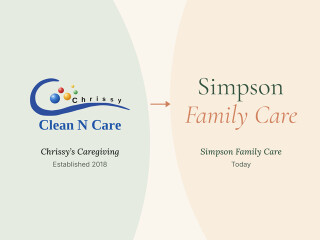
From Chrissy's Caregiving to Simpson Family Care
Our story began in 2018, when Christine started Chrissy’s Caregiving on the Hibiscus Coast.
With more than 30 years in aged care, Chrissy built a reputation for compassionate,
dependable care in people’s own homes.
When the time came, Chrissy passed the business to her niece Laura and Laura’s husband Julian.
It became Simpson Family Care, a new name, the same heart.
We’re not a large corporate organisation. We take the time to get to know each person,
involve families in every decision, and help people stay safe, comfortable and independent at home.
Click the link to read Our Story
Smart Express - Downsizing & moving home
5 days ago - Auckland

Downsizing? What to Do with Extra Furniture
Moving to a smaller home or retirement village can be an exciting new chapter, but deciding what to do with furniture that won’t fit can be challenging. With a little planning, you can make the process easier and create a comfortable space that suits your new lifestyle.
1. Measure Your New Space
Before deciding what to take, check your new home's room sizes, doorways and storage space. This will help you choose furniture that fits comfortably without overcrowding your home.
2. Decide What to Keep
Focus on furniture you use regularly and items with sentimental value. Consider passing on unwanted furniture to family, friends or local charities, or selling items that are still in good condition.
3. Consider Storage
If you are not ready to part with special belongings, storage could be a temporary option. Compare the ongoing costs with other options before making a decision.
4. Plan Your Move Early
Start sorting your belongings well before moving day. If you have furniture going to different destinations, such as your new home, a family member's house or storage, arrange the details in advance.
5. Ask for Help When You Need It
Moving heavy furniture can be physically demanding. Family and friends may be able to help with sorting, while professional movers can assist with packing, transporting furniture and setting up your new home.
Make Your Next Move Easier with Smart Express
At Smart Express Moving & Delivery, we help older people and families with retirement moves, downsizing and household relocations. From transporting furniture to packing services, we can discuss your needs and help you plan your move.
When service really counts.
Belmont Lifestyle Village - Retirement Village
5 days ago - Auckland
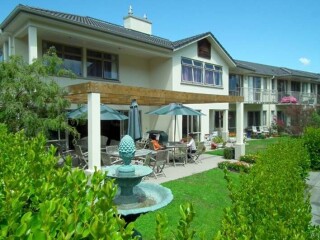
Open days
Belmont Lifestyle Village is having an Open Day every Tuesdays & Sundays from 1.30 pm to 2.30 pm. This is your chance to experience the vibrant community and luxurious amenities that Belmont Lifestyle Village has offer.
Visit us today and discover the Belmont Lifestyle Village difference.
TaskMasters - Downsizing & moving home
6 days ago - Wellington
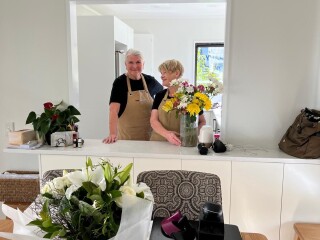
Recent Client Testimonial
"My experience with TaskMasters has been exceptional. The organisation responded promptly to my enquiries and submitted a formulae to address my decluttering, downsizing and moving project. The timeframe was short but the efficiency and personal attention to detail was outstanding.
The sensitivity and respect shown as a lifetime of property was sorted and curated for sale or donation ensured that an emotional experience was managed with kindness and effectiveness.
Mid-project I was injured and admitted to hospital awaiting surgery. TaskMasters was able to continue the project, move my household to my new home and have it all fully set up (including bed made) for my discharge from hospital. This was all done remotely with no stress imposed on me.
My appreciation is difficult to express. This project could not have been managed without the skill and experience of this amazing company."
Jenny Graham, Wellington
Academy Funeral Services - Farewell Planning
6 days ago - Christchurch
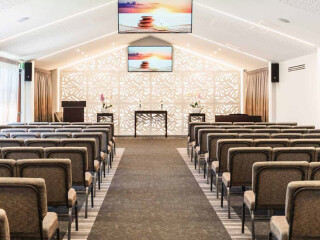
Preplan your funeral
Academy Funeral Services has been an integral part of the local Christchurch community for more than 30 years.
“We are a committed team of highly qualified, professional, friendly and caring people providing the personal touch and support that families require in their time of grief.”’----ROD LATHAM – LOCATION MANAGER
Preplanning Your Funeral?
We are being asked more and more about preparing and recording funeral service details well in advance. This means that your wishes will be carried out and your family spared unnecessary worry about the arrangements and costs, a sad and often difficult time.
Reach out today.
Andrea O'Donnell - Property Brokers - Downsizing & moving home
6 days ago - Palmerston North
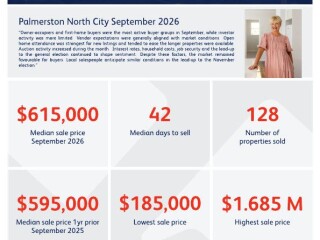
Palmerston North Market Report September 2026
Palmerston North City September 2026
"Owner-occupiers and first-home buyers were the most active buyer groups in September, while investor activity was more limited. Vendor expectations were generally aligned with market conditions. Open home attendance was strongest for new listings and tended to ease the longer properties were available. Auction activity increased during the month. Interest rates, household costs, job security and the lead-up to the general election continued to shape sentiment. Despite these factors, the market remained favourable for buyers. Local salespeople anticipate similar conditions in the lead-up to the November election."
Information Source REINZ
Liveable - Trades & home maintenance
6 days ago -

Love your home. Live in it longer.
LIVEABLE is New Zealand's only team combining Occupational Therapy, Architectural Design and Master Builder expertise. We create safe, functional and beautiful homes that support independence, adapt to changing needs and help people continue living confidently in the homes they love.
Whether you're planning ahead, adapting for mobility or health changes, supporting a family member, or creating a more accessible home, we deliver tailored solutions without compromising on style, comfort or quality.
"LIVE YOUR WAY"
NZ Care Kits - Mobility aids & useful products
6 days ago - Auckland
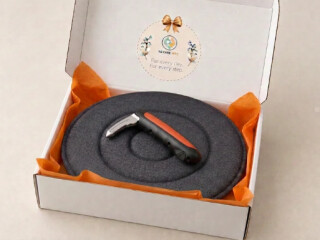
Swivel Cushion & Car Exit Aid
No more unnecessary twisting and awkward shuffling!
Simply sit on the cushion and use its rotating design to help turn your body towards the car door, reducing the need for uncomfortable twisting.
Car Exit Support Handle — A Helping Hand When You Need It!
This handy tool fits into a compatible car door striker to provide an additional handhold when getting in or out of the vehicle.
A little extra support can make everyday car transfers feel more manageable.
Eldertech - Mobility aids & useful products
1 week ago - Christchurch
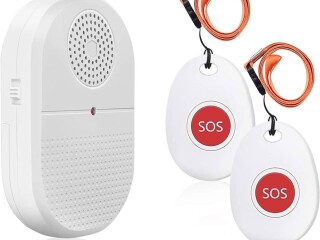
In-Home Caregiver Pagers & Alerting Systems
At Eldertech, the comprehensive range of Caregiver Pagers & Alerting Systems is thoughtfully engineered to give New Zealand families and home carers efficient communication and maximum peace of mind. These systems remove the stress of constant monitoring, allowing carers to move freely around the home or garden while remaining instantly connected to their care recipient.
Unlike traditional medical alarms that call external emergency services, Eldertech systems focus on localised, in-home care call loops. They rely on robust, open-air Radio Frequency (RF) ranges of up to 150–240+ metres (500 to 800+ feet), meaning they function entirely without internet dependency.
1. Traditional Call Button & Pendant Systems
Designed for immediate assistance, these kits feature wearable transmitters paired with a highly portable receiver that clips directly onto a carer’s belt or slides into a pocket.
• Wireless Caregiver Pager with 2 Pendants ($120.00 NZD): A lightweight battery-powered setup featuring vibration, 5 adjustable ringtones, and bright flashing LED light alerts—perfect for hard-of-hearing couples looking after one another. The two included call pendants feature an IP55 waterproof rating.
• Rechargeable Caregiver Pager Kit ($130.00 NZD): Offers the exact same reliable dual-pendant coverage but eliminates the hassle of constant battery swaps with a sleek, internal rechargeable receiver hub.
• Wireless Pager with SOS Call Button Watch ($89.00 NZD): Ideal for seniors who find neck pendants cumbersome or misplace them easily. The emergency call button is securely worn right on the wrist like a traditional wristwatch.
2. Dementia Support: Wandering & Fall Prevention
When a loved one lives with dementia or high fall risks, active monitoring tools provide critical safety support by tracking movement before an accident occurs.
• Wireless Pager with Motion Sensor Alert ($89.00 NZD): Can be positioned next to a bed or inside a doorway. It sends a silent chime/vibration alert to the carer's pocket pager the moment it detects a senior getting out of bed or attempting to exit a room unsupervised.
• Wireless Pager with Pressure Sensor Mat ($249.00 NZD): A heavy-duty floor mat placed at the bedside or a threshold. It triggers an instant alert to the pager receiver the second weight or a footstep is pressed down onto the mat.
3. Remote Monitoring & Specialized Alerting
For more complex care environments, Eldertech integrates smartphone capabilities and severe sensory loss solutions.
• Multifunctional Smartphone App Connected Pager ($179.00 NZD): Using a 2.4GHz Wi-Fi connection, this unit pairs directly with the Smart Life App. If the waterproof SOS button is pushed, it rings locally and pushes an immediate notification to the carer's smartphone, regardless of whether they are down the street or at the supermarket.
• Deaf Alert Home Pillow Alarm ($799.00 NZD): Engineered specifically for profound hearing loss or night-time care, this system links up to a powerful vibrating pad tucked beneath a pillow to wake a sleeping carer instantly during an emergency.
Modular, Scalable, and Tailored for NZ Homes
A core benefit of Eldertech’s Caregiver Systems is their complete cross-compatibility. If your care needs evolve over time, you do not need to buy an entirely new kit. You can seamlessly expand your existing system by adding individual components like standalone Extra Receivers ($40.00 NZD), SOS Watches ($49.00 NZD), or Door/Window Transmitters directly into your current setup.
Home Support North - Home help & personal care
1 week ago - Whangārei
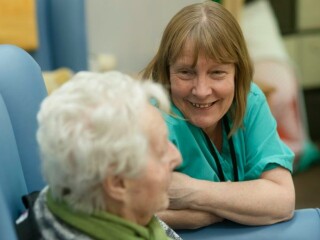
Caring for a loved one
Caring for an older parent, partner or family member with disability is an act of love – but it can also be exhausting, emotionally and physically. Many carers juggle work, whānau responsibilities and their own wellbeing, often putting themselves last.
Home Support North works alongside families and carers, providing practical support that helps everyone involved maintain balance, dignity and quality of life.
Support services are flexible and designed to complement existing care arrangements. This might include respite care, giving carers time to rest or attend to other commitments, or regular in-home support to assist with personal care, household tasks or social connection.
Longridge Country Estate - Retirement Village
1 week ago - Hauraki

Barista coffee and scones, every Thursday
Come and see what everyday life is like at Longridge. Join us for barista coffee and scones, meet our residents and have a look around our village.
Every Thursday from 29 October, 10am to 12pm, until the end of November.
44 Waimarei Avenue, Paeroa. 0800 928 928.
You don’t need to book. Just turn up any Thursday.
Prestige Nursing - Premium Care and Nursing At Home - Home help & personal care
1 week ago - Auckland
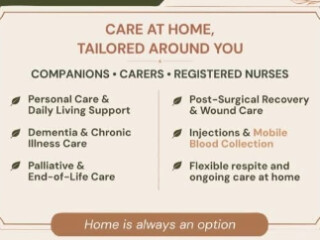
Complete care, in the comfort of home.
From nursing, blood collection, injections and wound care to personal care, companionship, respite and household help, our flexible services are tailored to your needs.
Helping you recover, stay independent and live confidently at home.
EVES Real Estate - Senior's Lifestyle Specialists - Downsizing & moving home
1 week ago - Tauranga

We've Gone Digital!
See if you can spot us on the digital signboard beside Baypark roundabout! The market has been generally quiet, however, much stock is still needed for the first home buyers who are still out searching and many are missing out continually in multi offers and auctions. If you know anyone who is thinking of rightsizing, we could really do with heaps more stock and there is always a referral fee, also discount for Vendors.
Coastal Villas - Metlifecare - Retirement Village
1 week ago - Paraparaumu
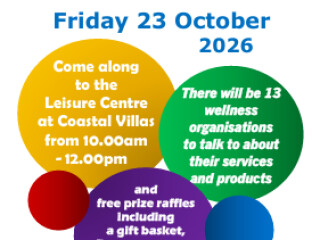
Wellness Expo at Coastal Villas
Join us for our Wellness Expo on Friday 23 October 2026, from 10.00am to 12.00pm, at the Leisure Centre, Spencer Russell Drive, Coastal Villas.
Discover a range of services, products and support available to help you stay active, independent and well. Representatives from 16 wellness organisations will be on hand, including Well Able (with equipment available for purchase), Dementia Wellington, and the Stroke Foundation.
There will also be free prize raffles, with great giveaways including:
• A gift basket
• A fitness assessment voucher
• Farmers vouchers
The Café will be open from 10.00am to 2.00pm, so why not stay for a coffee, lunch, and a chat?
Everyone is welcome. We look forward to seeing you for a morning of wellbeing, information and community connection.
Rose Lodge - Retirement Village
1 week ago - Invercargill
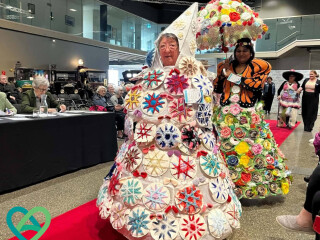
Rose Lodge Takes Home Two Awards
It was a big night for Alden Rose Lodge at the Enliven Rest Homes Wearable Arts Event, and the judges (and the crowd) certainly noticed.
Vee was voted People’s Choice, wearing a Queens Park-inspired gown made with flowers. Daphne received Highly Commended Construction for The Pyramid, a garment made with Matariki stars on paper plates. Congratulations to you both, and to all of our residents, models and staff whose creativity and teamwork brought these creations to life.
Sensory Corner - Mobility aids & useful products
1 week ago - Auckland
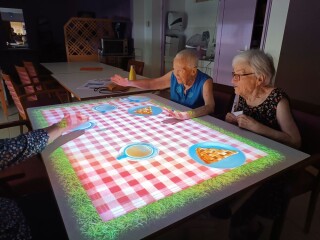
Tovertafel - Interactive Therapy Projector
Tovertafel Interactive System – Transform Engagement Across Care, Education Therapy
Bring meaningful engagement, movement, and joy into your environment with the Tovertafel — an award-winning solution designed to support people of all ages and abilities.
Ideal for aged care facilities, memory care units, schools, therapy clinics, and disability support environments, the Tovertafel transforms ordinary tables into immersive, movement-based experiences that respond to touch and motion. With minimal setup, it enables caregivers, educators, and therapists to deliver high-impact, inclusive engagement every day.
Why Tovertafel Works Across Environments
Aged Care & Dementia Support – reduces apathy, encourages gentle movement, and improves mood
Schools & Special Education – supports inclusive learning, focus, and sensory development
Therapy & Rehabilitation – enhances participation, motor skills, and interaction outcomes
A Complete Engagement & Sensory Solution
With a suite of carefully designed interactive games, the Tovertafel supports:
Cognitive stimulation – encouraging focus, memory, and decision-making
Physical movement – promoting safe, gentle activity and motor skills
Social connection – fostering collaboration and shared experiences
Sensory engagement – offering both calming and stimulating interactions
Whether used in group settings or one-on-one sessions, it adapts to a wide range of abilities and needs—making it a versatile tool across multiple care and learning environments.
Proven Benefits for Seniors Living with Dementia
Playing with the Tovertafel has been shown to deliver measurable improvements in physical, cognitive, social, and emotional wellbeing, making it a powerful addition to aged care settings.
Encourages Physical Activity
The Tovertafel promotes gentle, natural movement through play, helping residents stay active in a safe and engaging way—without the feeling of structured exercise.
Supports Cognitive Function
Interactive games stimulate attention, reaction time, and decision-making, helping maintain engagement and support cognitive functioning.
Reduces Apathy & Restlessness
Designed to break through withdrawn or agitated states, the Tovertafel helps increase positive emotions, reduce restlessness, and encourage participation, contributing to a calmer environment.
Strengthens Social Connection
Shared play encourages meaningful interaction between residents, staff, students, and families—fostering stronger relationships, improved mood, and moments of genuine joy.
Inclusive Benefits Beyond Aged Care
For students and individuals with diverse learning needs, it provides an engaging, accessible way to learn, play, and interact
For therapy settings, it supports goal-based outcomes through motivating, interactive experiences
Trusted. Research-Backed. Globally Proven.
Used worldwide by care professionals and educators, the Tovertafel is more than just a product — it’s a proven solution to increase engagement, improve wellbeing, and enrich daily routines.
Create connection. Encourage movement. Inspire joy.
*Click the link below to arrange a time to See the Tovertafel at our showroom in Auckland
Zepter New Zealand - Mobility aids & useful products
1 week ago - Auckland
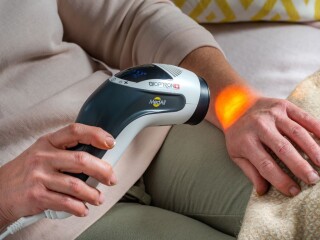
New Bioptron Study on Itchy Skin
New Bioptron Study on Itchy Skin
If you’ve ever lived with constantly itchy, dry or inflamed skin, you’ll know how exhausting it can be.
The itching can disturb sleep, make clothing uncomfortable and become something you think about all day.
That’s why a new clinical study on Bioptron Hyperlight Therapy caught our attention.
Researchers followed 60 adults with moderate-to-severe atopic dermatitis, a chronic inflammatory skin condition associated with itching, redness, dryness and a weakened skin barrier.
Half continued with their usual topical corticosteroid treatment.
The other half used the same treatment plus just 10 minutes of Bioptron Hyperlight Therapy each day for 10 days.
The difference was impressive.
After only 10 days:
• skin severity improved by 65% in the Bioptron group, compared with 38% with standard treatment alone
• itching reduced by 70%, compared with 40% in the control group
• 83% of people using Bioptron achieved a marked clinical improvement, compared with 47% receiving standard treatment alone
And importantly, no burns, local irritation or systemic side effects were reported during the study.
So what might the light be doing?
The researchers believe Bioptron Hyperlight may help support several processes involved in healthier skin, including calming inflammatory activity, supporting repair of the skin barrier, improving microcirculation and tissue oxygenation, and helping reduce itching.
For older adults, this is particularly interesting because persistent itching and uncomfortable skin can have such a big effect on sleep, comfort and everyday quality of life.
This study specifically looked at atopic dermatitis, so it doesn’t mean every type of dry or itchy skin will respond in the same way.
But the results give us another exciting insight into how Bioptron may be used alongside conventional care to support the body’s own skin recovery processes.
And perhaps the most surprising part?
Just 10 minutes a day for 10 days was enough to produce a significant difference in this study.
Light therapy continues to surprise us.
Kimihia Home & Hospital - Residential Care
2 weeks ago - Huntly
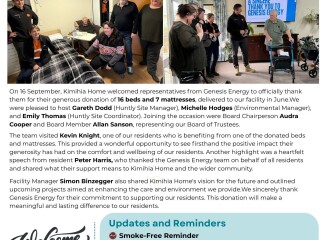
Kimihia Khronicle – Issue No. 7, 2026 is Here!
We're excited to share the latest edition of the Kimihia Khronicle.
Inside this issue, you'll find highlights from recent resident activities, team updates, special celebrations, staff recognitions, and community partnerships that make Kimihia such a wonderful place to live and work.
A big thank you to everyone who contributed to another memorable month.
Take a look and celebrate the moments, achievements, and connections that continue to enrich life at Kimihia Home & Hospital.
Alden Cambridge Oakdale - Residential Care
2 weeks ago - Cambridge

Dementia Care Now Available
Looking for dementia care for someone you love? We currently have rooms available.
Visit Alden Cambridge Oakdale and see our specialised, secure memory care for yourself.
Call us on 07 827 4480 today, or visit our website:
ShopEnliven - Mobility aids & useful products
2 weeks ago - Porirua

Let's rethink ageing
What if we've got ageing all wrong?
Six questions. One belief: getting older doesn’t mean living less.
At Enliven Central, we believe ageing should not mean losing your choices, your identity or your place in the community.
Over six weeks, we are challenging common assumptions about aged care and retirement living, and exploring what it means to live with choice, purpose and connection as we age.
Why New Zealand needs to rethink ageing
New Zealand’s population is ageing quickly. Around 105,000 New Zealanders are aged 85 or over today. By 2047, that number is projected to reach almost 265,000, while demand for residential care is expected to increase by 87 per cent from 2024/25 levels.
The national conversation has understandably focused on funding, workforce shortages and whether enough care will be available. These issues are urgent. But there is another question we cannot afford to overlook: what should that care actually feel like for the person receiving it?
Too often, ageing and residential care are discussed as though losing independence, purpose and control is inevitable. An older person can become defined by their health needs rather than recognised as someone with a lifetime of experiences, preferences, relationships and contributions.
At Enliven Central, we believe needing support should never mean becoming less visible or less involved in your own life. A rest home should still feel like home. Quality care should not be reserved for those who can afford expensive extras. Support should adapt when life changes, and retirement living should contribute to something larger than lifestyle alone.
That is why Enliven Central is asking six questions about how New Zealand approaches ageing. Each explores a different issue, but they all begin with the same idea: care should fit around the person, not expect the person to fit around the system.
Explore the six questions and discover another way to think about ageing.
Huntleigh Home - Residential Care
2 weeks ago - Wellington

What if we got ageing all wrong?
Let's rethink ageing
Six questions. One belief: getting older doesn’t mean living less.
At Enliven Central, we believe ageing should not mean losing your choices, your identity or your place in the community.
Over six weeks, we are challenging common assumptions about aged care and retirement living, and exploring what it means to live with choice, purpose and connection as we age.
Why New Zealand needs to rethink ageing
New Zealand’s population is ageing quickly. Around 105,000 New Zealanders are aged 85 or over today. By 2047, that number is projected to reach almost 265,000, while demand for residential care is expected to increase by 87 per cent from 2024/25 levels.
The national conversation has understandably focused on funding, workforce shortages and whether enough care will be available. These issues are urgent. But there is another question we cannot afford to overlook: what should that care actually feel like for the person receiving it?
Too often, ageing and residential care are discussed as though losing independence, purpose and control is inevitable. An older person can become defined by their health needs rather than recognised as someone with a lifetime of experiences, preferences, relationships and contributions.
At Enliven Central, we believe needing support should never mean becoming less visible or less involved in your own life. A rest home should still feel like home. Quality care should not be reserved for those who can afford expensive extras. Support should adapt when life changes, and retirement living should contribute to something larger than lifestyle alone.
That is why Enliven Central is asking six questions about how New Zealand approaches ageing. Each explores a different issue, but they all begin with the same idea: care should fit around the person, not expect the person to fit around the system.
Explore the six questions and discover another way to think about ageing.
Dovida - Home help & personal care
2 weeks ago - Auckland
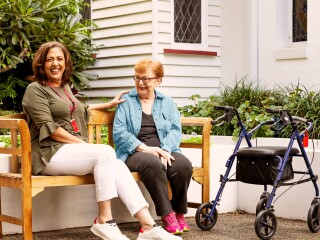
RESPITE Care at Home!
Respite is usually a break for the family carer, and a change for the person being cared for: a new room, a new routine, new faces. But what if the break could happen without anyone leaving home?
Dovida now offers live-in care as a respite option. A caregiver moves into your home for the length of your respite, whether that's one week, a month or longer. You keep your own bed, your own kitchen, your garden and your neighbours, and the people who usually support you get a real chance to rest.
Why choose live-in respite?
Your day stays your own. Breakfast when you like it, your favourite chair, your usual walk. A live-in caregiver fits around your routine, not the other way round.
Support is there around the clock. Having someone in the house day and night gives reassurance to you and to your family, especially if nights can be unsettled.
Couples can stay together. If you care for your partner, live-in respite means you don't have to be apart while you take a break. You can rest, see friends or go away for a few days, knowing your partner is at home and well supported.
It suits a planned break or a sudden need. Use it for a family holiday, a carer's own surgery or recovery, or simply time to recharge before things become too much.
Care built around you
Every Dovida caregiver is directly employed and trained through Dovida Academy, including specialised training in dementia and palliative care. We match your caregiver to your interests and personality, because good care starts with a good connection. Our team sets everything up with you beforehand, so the care feels familiar from the very first day.
Talk to us about your break
Whether you're planning ahead or need support soon, we'd love to help you find a respite option that works for your life, your way.
Phone (09) 300 6053
Amberley Country Estate - Retirement Village
3 weeks ago - Amberley

"October Open Days"
Come explore our brand new villas and Join us for our Open Day.
Friday October 30th and Saturday the 31st from 10am to 4pm.
Come see Canterbury's Most Spacious Retirement Village.
Discover Amberley Country Estate, an exciting new 250 home Retirement Village. just 35min from Christchurch, at the gateway to Canterbury’s wine region. Uniquely designed, like a residential subdivision in layout and feel, here you’ll find spacious yards with landscaped gardens, well spread out, generously-sized, north-facing villas and a 330m2 Clubhouse. A $12M resort-style facility is planned and modern medical and care facilities are coming too. If you seek an active lifestyle with laidback country estate living, call today to find out more about a retirement village with space to live a life you’ll love. Explore our stunning show villas and see first hand what makes Amberley Country Estate such a special place to call home.
No appointment necessary—simply pop in for a chat and let us show you around.
Remuera Gardens - Retirement Village
3 weeks ago - Auckland

Exclusive Dark Destroyer Q&A at Remuera Gardens
Remuera Gardens is proud to host the legendary Dark Destroyer for an exclusive Q&A. Don’t miss your chance to come along and meet Shaun Wallace, hear fascinating stories from his life and career, and discover the man behind one of television’s most formidable quiz minds.
This is a free event for people aged 65+ who are interested in retirement living, but places are limited, so RSVP is essential. Please Register your interest at remueragardens.co.nz or contact Fiona on (027) 436 5442. Our team will be in touch to confirm your place.
Wednesday 4 November 2026, 10:30am
Carefirst Medical Centres - Westown, Merrilands, Moturoa & Bell Block - Health hubs & pharmacy
3 weeks ago - New Plymouth
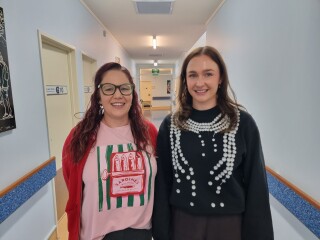
Meet the pharmacists supporting Carefirst patients
This year, pharmacist Morgan achieved her pharmacist prescriber qualification, allowing her to offer even more support for people managing long‑term conditions. We’re also delighted to welcome Lauren, our newest pharmacist prescriber, who brings years of experience in hospital and primary‑care pharmacy.
Together, Morgan and Lauren provide extra time to talk through medications, help simplify treatment plans, and offer steady follow‑up for conditions such as diabetes, heart health, and respiratory issues. Their warm, patient‑centred approach means more support is available across our Carefirst clinics — especially for those who appreciate clear explanations and continuity of care.
Skin Clinic Taranaki - Health hubs & pharmacy
3 weeks ago - New Plymouth

Why Taranaki seniors should take UV seriously
October is Melanoma Awareness Month, making it an ideal time for Taranaki seniors to check in on their skin health. Our region’s sunshine may feel gentle, but even on cloudy or cooler days, UV radiation can be strong enough to damage skin — and that risk builds up over a lifetime. Many older adults don’t realise how much incidental sun exposure they’ve accumulated through everyday activities like gardening, walking the dog, or simply spending time outdoors.
Clinicians at Skin Clinic Taranaki see the effects of this long‑term exposure in the skin cancers diagnosed each week. Melanoma is the most life‑threatening form of skin cancer because it can grow downward quickly, enter the bloodstream or lymphatic system, and spread to vital organs. This makes regular skin checks especially important for seniors, who may have decades of sun damage without visible warning signs.
The good news is that melanoma is one of the most preventable cancers. Daily sunscreen, protective clothing, and routine skin checks can make a meaningful difference — helping catch concerns early and keeping skin healthier for longer.
Dream Eldercare - Home help & personal care
3 weeks ago - Auckland

Live In Companions Available In New Zealand Today
Dream Live In Companions are available for approx $1,000 per week.
Stay in your own home and keep your own routines, favourite meals, hobbies and meaningful activities
Our team will personally work with you to find your preferred Companion who shares your interests, values and experiences.
YOU choose your Companion. Someone who is there to help in any way you need while allowing you to maintain your independence.
Delicious & Done - Meals & nutrition
4 weeks ago - Whangarei

Home-Style Meals Delivered Nationwide
Delicious & Done offers ready-made meals for one, two or four people. No cooking, prep or washing up. Simply heat from frozen in the oven, microwave or air fryer. Dietary options include gluten free, dairy free, vegetarian, high protein and high fibre. Family can order on your behalf, with no account required. Order as needed or subscribe and save 5%. Delivered New Zealand-wide, including rural addresses, with meals lasting up to six months frozen. Home-style food, loved by many retirement village residents and older New Zealanders.
Find out more