
Eldernet has New Zealand's largest selection of retirement villages to explore. NZ has 491 retirement villages nationwide, offering a wide range of services, use our tools to help you navigate your choices. Eldernet currently has 538 retirement village properties listed.
Showcased
Luxurious Spacious Independent Apartment #25
Rawhiti Estate - Independent Living
2 1.5
1.5 1
1
1.5
1
$2,200,000
Stylish, Sun‑Filled 1-bedroom, 2 bathroom, with a study Apartments in the Heart of Kerikeri Retirement Village
Kerikeri Retirement Village
1.5
2
1
2
1
From $610,000
Service Cottage 11 - Independent Living with assistance if required
Te Awa Lifecare (Village)
2
2
2
$1,025,000
Village garden views
Ryman Richard Hadlee Retirement Village
1
1
1
$419,000
Let us help you find somewhere

Retirement Villages
View all registered retirement villages across New Zealand. Filter by location, services provided, village features, future care options, and more.
View All
Available Properties
Browse homes currently available in retirement villages across New Zealand. Filter by location, property type, price, number of bedrooms and more.
Search Now
Care Suites
As an alternative to paying daily accommodation charges, you can “purchase” your room in a care home. Find out more and view currently available care suites.
Find Out MoreRetirement Villages by region
What retirement villages have to offer

A retirement village is a community specially built to cater for the needs and lifestyle of older people. Choosing to live in a retirement village can be a great option for those wanting to maintain their independence while living among a like-minded community of people.
Research shows most people enjoy a high level of satisfaction when living in a lifestyle or retirement village. For residents, the benefits can be numerous; these may include giving you peace of mind, new and varied activities and interests, new friendships, and time to be able to spend on the things you most enjoy.
Villages vary greatly – you’ll notice different-sized villages, from very few units to some with hundreds; different types of units within the same complex; newer villages and older villages. You will discover the community offering a wide range such as swimming pool, bowling green and café. Eligibility age differs across villages too – some villages may allow residents to enter at 55 while others commonly have an entry age between 65 and 75.
As well as providing a range of different accommodation options, many villages now offer alternatives, such as care suites, which combine village offerings and residential care components. Make sure you visit a village more than once before you make a decision, and if possible visit more than one village to get a feel for how each has its own culture.
When you are ready to visit some retirement villages, our checklist may help you with your assessment.
 Eldernet Retirement Villages Checklist
All about retirement villages
A retirement village is a community specially built to cater towards the needs and lifestyles of older people. Many retirement villages offer units, villas, suites, or serviced suites. This gives you the option to choose to live independently within the village environment or to get extra help with cleaning or meal delivery.
Retirement villages

My village unit has been flood damaged. What are my options?
If your retirement village unit has incurred damage as a result of a natural disaster (such as a flood), your village operator should let you know what happens next. If you need to evacuate , your village operator should give you clear instructions about what to do and where to...
Retirement villages
What is the Retirement Villages Code of Practice?
This Retirement Villages Code of Practice establishes minimum requirements that retirement village operators must comply with to meet their legal obligations in New Zealand. These include some occupation right agreement terms and different types of policies an operator must have. Provisions in the code are enforceable by residents against operators....
Retirement villages
Mythbusting: Will I get access to care on-site?
If I live in a retirement village will I get access to the care home on-site? The truth is that if you need a high level of support and can no longer stay in your village unit, you are likely to be able to access care in the onsite care...
Retirement villages
What are the costs of entering a village?
Depending on where you want to live in New Zealand, the cost of ‘buying’ into a retirement village can vary greatly – some units can be priced in the $100,000s while others can reach into the millions. This ‘purchase’ price is known as the Capital Contribution. You can search for...
Your options

Home and Community
Fully independent and living at home. There are many services to make life at home easier.

You are here

Retirement Village
Independent living in a purpose built property with varying levels of support.

Residential Care
The full service options for all the support and levels of care you could need.

What's New
Curious about what’s happening in the Eldernet community? This is where you’ll find the latest updates and news from people across the motu.

Amberley Country Estate - Retirement Village
"October Open Days" Come explore our brand new villas and Join us for our Open Day. Friday October 30th and Saturday the 31st from 10am to 4pm. Come see Canterbury's Most Spacious Retirement Village. Discover Amberley Country Estate, an exciting new 250 home Retirement Village. just 35min from Christchurch, at...

Remuera Gardens - Retirement Village
Exclusive Dark Destroyer Q&A at Remuera Gardens Remuera Gardens is proud to host the legendary Dark Destroyer for an exclusive Q&A. Don’t miss your chance to come along and meet Shaun Wallace, hear fascinating stories from his life and career, and discover the man behind one of television’s most formidable...
Coastal Villas - Metlifecare - Retirement Village
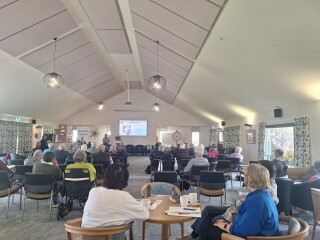
Retirement Planning Session a Great Success Current and prospective residents recently attended our Retirement Planning Information Session, enjoying an informative afternoon with practical advice from local experts. We were pleased to welcome guest speakers - Sue Scutter from Wakefield’s Law, Judy Thorpe from Taskmasters, and Angela Buswell from Harcourts Ōtaki,...

Kerikeri Retirement Village - Retirement Village
A Special Visit from a Young Piper Kerikeri Retirement Village is fortunate to enjoy strong connections within the local community. Years ago, the sound of bagpipes drifting over the fence from Kerikeri High School caught the attention of residents and staff alike. When word spread that the talented young piper...