

There are 6 retirement villages in Whanganui. Sitting on the mouth of the Whanganui River, the city is the perfect place for anyone who enjoys getting out on the water, whether on a kayak or on a steamboat! From villages with spacious park-like grounds, to places with options for independent and assisted living, there are a range of choices available.
Let us help you find somewhere
Villages in Whanganui
Showing 6 of 6 results

Why choose a Retirement Village in Whanganui?
Whanganui, nestled at the mouth of the historic Whanganui River, offers a unique blend of natural beauty and cultural vibrancy for those considering retirement. The city, deeply connected to the longest navigable waterway in New Zealand, is renowned for its thriving creative arts scene. As you stroll through the city, you'll discover an array of studios, workshops, galleries, and craft shops, where you can watch artisans at work and enjoy a leisurely coffee or lunch at one of the charming cafés.
For retirees in Whanganui, the River Traders Market is a weekly delight, offering fresh, locally sourced produce and gourmet treats. Evenings can be spent enjoying performances at the beautifully restored Opera House, followed by a delicious meal at a nearby restaurant.
Family visits are enriched with activities like riding the Durie Hill Elevator for breathtaking views or exploring the scenic paths around Virginia Lake. Whanganui's strategic location also means you're just a short drive from Wellington, New Plymouth, Palmerston North, or the ski fields and Taupō, making it a convenient base for regional exploration.
Explore our website to find the ideal retirement community in Whanganui. Whether you’re attracted to the city's artistic flair or its rich historical roots, Whanganui offers a fulfilling retirement lifestyle amid natural beauty and cultural charm.
All about retirement villages
A retirement village is a community specially built to cater towards the needs and lifestyles of older people. Many retirement villages offer units, villas, suites, or serviced suites. This gives you the option to choose to live independently within the village environment or to get extra help with cleaning or meal delivery.
Retirement villages

Do all retirement villages have care on site?
Not every retirement village in Aotearoa New Zealand offers aged care on site, so it's important to understand exactly what support is available before you make a move. The questions below can help you compare villages and get a feel for the level of care you can expect. What services...
Retirement villages
Is a care suite different to a serviced apartment?
A care suite is a hybrid-type option that combines a village offering (meaning it requires an upfront ‘purchase’ price) and support at a higher level of care as certified by Manatū Hauora Ministry of Health and governed by the Age Related Residential Care (ARRC) Agreement. They may also be referred...
Retirement villages
Do residents need to move from the village to receive care?
While it is true that some retirement village residents may need to receive care in another facility, it is by no means the most likely scenario. In reality, only 12.8% of Kiwis living in villages end up being moved to a different facility to receive care. And more than half...
Retirement villages
Rates Rebate in a retirement village
Retirement village residents who hold a Licence to Occupy may be eligible for the Government's full Rates Rebate, as long as they meet the income criteria. Each year, usually in mid-June, the Government updates the income and rebate thresholds. You can find more information on rates rebates in retirement villages...
Your options

Home and Community
Fully independent and living at home. There are many services to make life at home easier.

You are here


Retirement Village
Independent living in a purpose built property with varying levels of support.

Residential Care
The full service options for all the support and levels of care you could need.

What's New
Curious about what’s happening in the Eldernet community? This is where you’ll find the latest updates and news from people across the motu.
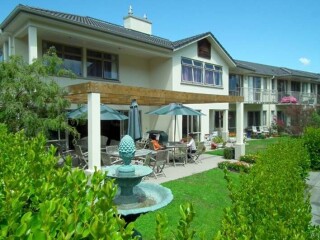
Belmont Lifestyle Village - Retirement Village
Open days Belmont Lifestyle Village is having an Open Day every Tuesdays & Sundays from 1.30 pm to 2.30 pm. This is your chance to experience the vibrant community and luxurious amenities that Belmont Lifestyle Village has offer. Visit us today and discover the Belmont Lifestyle Village difference.

Longridge Country Estate - Retirement Village
Barista coffee and scones, every Thursday Come and see what everyday life is like at Longridge. Join us for barista coffee and scones, meet our residents and have a look around our village. Every Thursday from 29 October, 10am to 12pm, until the end of November. 44 Waimarei Avenue, Paeroa....
Coastal Villas - Metlifecare - Retirement Village
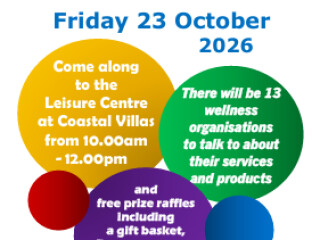
Wellness Expo at Coastal Villas Join us for our Wellness Expo on Friday 23 October 2026, from 10.00am to 12.00pm, at the Leisure Centre, Spencer Russell Drive, Coastal Villas. Discover a range of services, products and support available to help you stay active, independent and well. Representatives from 16 wellness...
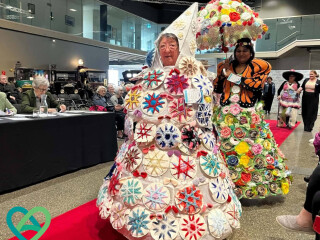
Rose Lodge - Retirement Village
Rose Lodge Takes Home Two Awards It was a big night for Alden Rose Lodge at the Enliven Rest Homes Wearable Arts Event, and the judges (and the crowd) certainly noticed. Vee was voted People’s Choice, wearing a Queens Park-inspired gown made with flowers. Daphne received Highly Commended Construction for...