PainChek
Spam Protection
Are you sure you want to close?
Any unsaved changes will be lost.
At a glance
- Name
- PainChek
- Category
- Industry suppliers
- Address
- Canterbury
- Regions
- Nationwide
- Phone
- View Phone Number
- View Email Address
- Web
- Visit Website
- Social Media
Personnel
- Business Development Manager
- Christelle Ucinek
Media
Downloads
You need Adobe Reader to view PDF files.
| Preview | File |
|---|---|
PainChek® Brings Best-Practice Pain Management to New Zealand Aged Care
Nearly 70,000 New Zealanders live with dementia – a number projected to reach 170,000 by 2050. About one-third live in aged care facilities, where pain often goes undetected because residents may struggle to communicate their discomfort. This pain is often mistaken for aggression, confusion, or behavioural issues.
The PainChek® Solution
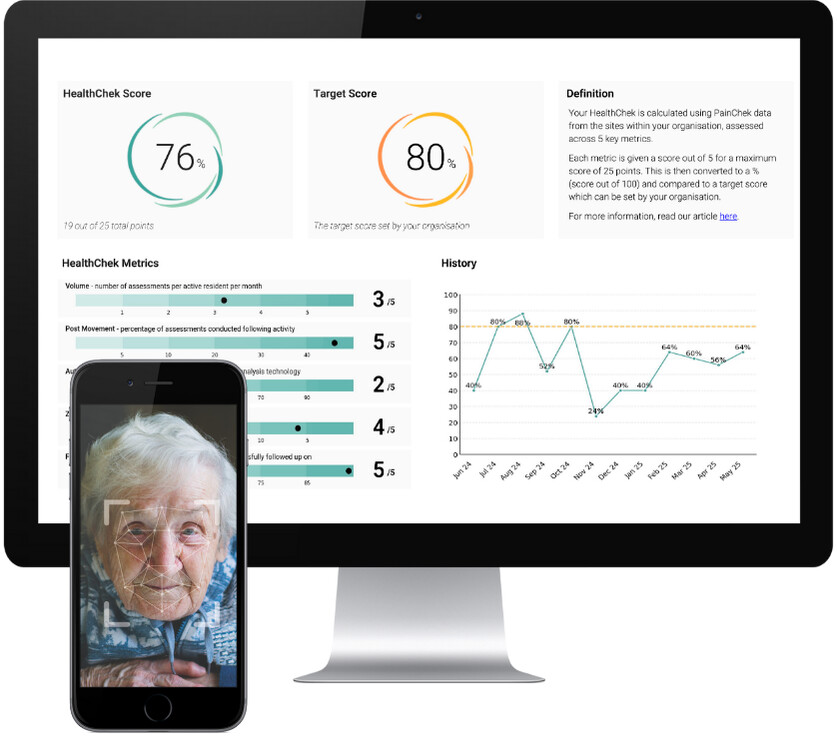
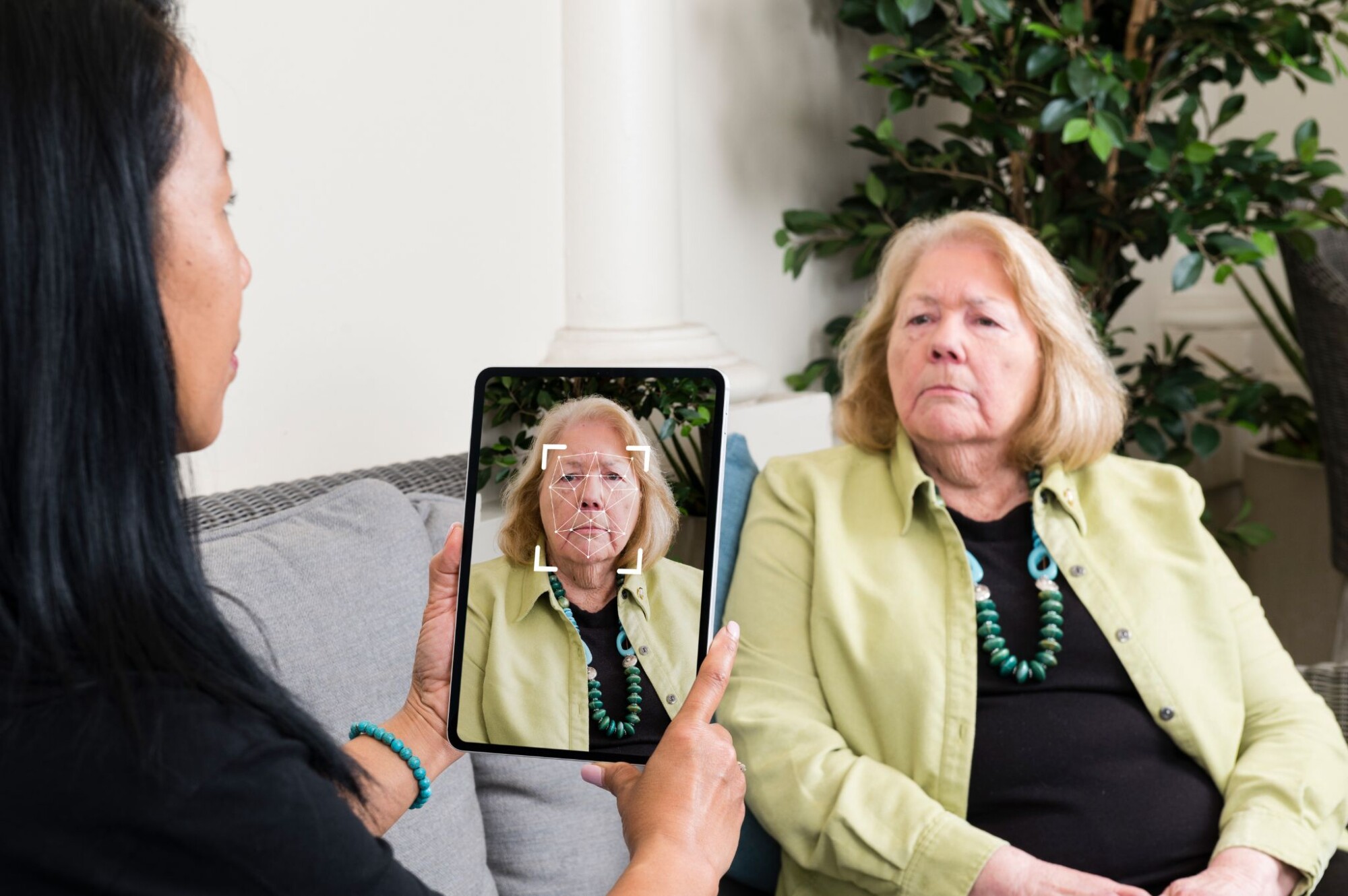
PainChek® is the world’s first clinically validated pain assessment app. Using AI to analyse facial micro-expressions alongside simple observational checks, PainChek® identifies pain quickly and objectively – even when it’s not obvious.
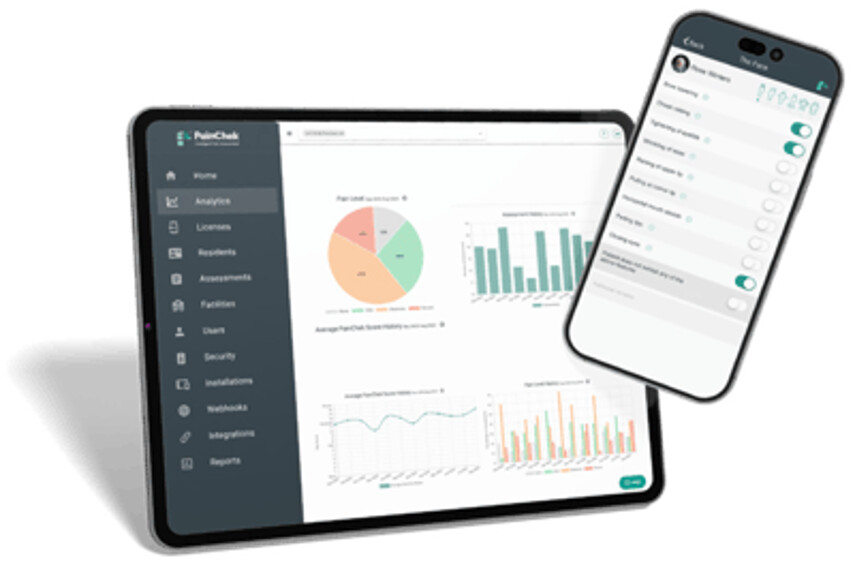
Carers can seamlessly switch between AI-enabled automated pain assessments for those unable to reliably verbalise their pain, and self-reported scores for residents who can communicate. PainChek Analytics® provides powerful tracking and reporting tools to monitor pain trends and treatment outcomes, supporting more informed clinical decisions.
Trusted by New Zealand Aged Care Leaders
PainChek® is already improving care across leading New Zealand providers:
- HCSL – Identifying pain triggers early and reducing unnecessary medication use.
- VCare – Integrated workflows and a complete view of resident wellbeing.
- Nurse Maude – Delivering more personalised and effective care.
- Summerset – Transforming pain management practices across facilities.
Driving Positive Clinical Outcomes
Globally, PainChek® has been linked to a number of significant clinical outcomes across residential aged care, including:
- A reduction in falls, serious injuries and hospital admissions
- Reduced resident distress and improved wellbeing
- Decreased administration of PRN (as-needed) opioid medications
- Lower rates of regular opioid analgesic use
- Reduced use of regular psychotropic medications
- Reduced safeguarding referrals
Learn more about clinical outcomes here: www.painchek.com/uk/resources/driving-positive-clinical-outcomes-for-care-homes-summary-report/
Read case studies here: /www.painchek.com/case-studies/
Proven Globally, Now in New Zealand
Since its 2017 launch, PainChek® has become Australia’s most widely used pain assessment tool, with more than 60% of aged care facilities using or implementing it. PainChek® is now also in use across the UK, Europe, Canada, and Singapore – with over 12M assessments completed globally.
PainChek® is now available to all New Zealand care centres and rest homes.
Visit www.painchek.com/nz or call 0800 425 513 to learn more.
Testimonials
| “PainChek® has had a significant positive impact on how we assess and manage pain at Nurse Maude Care Home. It gives us detailed pain profiles for each resident, allowing staff to create tailored care plans that really make a difference. It’s simple for the clinical team to use, and the quick setup meant we saw benefits right away. It also integrates smoothly with VCare, which we use for assessment, care planning and documentation.” – Service Manager, Nurse Maude Care Home “Since we introduced PainChek® as a standard pain assessment tool for cognitively impaired residents in our facility, we have had a 72% increase in the number of pain assessments completed. This has translated into more pain interventions applied, including PRN medications and therapy-based solutions” — Barossa Village (AU) Matt Kowald, General Manager Residential Care Services "Having the evidence to support a pain diagnosis has often proved difficult when caring for people with dementia. Pain and behaviour management often go hand in hand and PainChek® has provided us with a simple but effective tool to diagnose that a person has pain and effectively manage that pain. As a result, we now have a number of documented cases of reduced use of behaviour medications (such as antipsychotics) and an improvement in the quality of life for the residents. "We see the PainChek® application as a valuable addition to our pain management system. The training and support from the staff at PainChek® has been first class and the registered nurses at Regents Garden have embraced this tool and have nothing but praise for the results that we are finding.” — Regents Garden (AU), Yvonne Ayre, General Manager “The tool has been used to assess care recipients and assist with the review and referral of undiagnosed pain to medical officers. Changes have been made to the care recipient’s pain management with positive results. Clinical staff interviewed reported a decrease in challenging behaviour for a care recipient assessed and reviewed. Management reported they have purchased a license to use the tool and will roll out the use of the tool at other homes.” – Regents Garden (AU), Yvonne Ayre, General Manager "Our staff have seen the benefits of the PainChek® assessments. They have experienced the improved residents’ behaviour (such as agitation and resistance to care), which gives them genuine confidence now in identifying and treating pain effectively – this in turn has allowed them to reassure the residents’ families that the appropriate medication and alternative treatments to medication are being provided once pain is diagnosed." "PainChek® enables easy record-keeping which can be integrated with existing software record systems. It provides accountable and clear record-keeping and evidence availability for staff, GPs and for auditing purposes." "From a funding perspective, PainChek® offers an evidence-based process that allows Operators to meet the requirements of the current Aged Care Funding Instrument (ACFI) Model across several domains.” — Allambie Heights Village (AU), Ciarán Foley, Chief Executive Officer “PainChek® is utilised in approximately half of our residents, due to the presence of dementia and clear communication problems. PainChek® continues to provide evidence to GPs about the underlying pain that triggers behaviours in those residents, which resulted in the reduction of psychotropic medications. The PainChek® assessment also assisted in demonstrating how the correct medication (such as analgesic) used results in improved residents’ comfort.” — Allambie Heights Village (AU), Jim Murray, Facility Manager "PainChek® is the new standard of pain assessment that allows us to perform a comprehensive evaluation for residents with cognitive impairment when they experience changes in behaviour. Such assessment also allows VMCH to meet Standard 3 of the Aged Care Standards, as it is best practice, allows care to be tailored to the individual and optimises residents’ health and wellbeing." — Villa Maria Catholic Homes (VMCH) (AU) Jeffrey Brooks Clinical Manager "We had an elderly man who was exhibiting escalating behaviours. He was non-verbal, had a diagnosis of dementia and was also receiving palliative care services. Through thorough PainChek® assessments staff were able to minimise his pain symptoms, and the behaviours settled." Having a TGA cleared-medical device allows staff to monitor residents across the whole of their medical journey, including in the palliative approach. Using the artificial intelligence of the PainChek® app, coupled with assessments of movement, voice, activity and clinical signs all add up to a better assessment of resident’s pain. Having an objective, valid and reliable assessment of pain for residents who are unable to express their pain is incredibly valuable.” – Villa Maria Catholic Homes (VMCH) (AU), Jeffrey Brooks, Clinical Manager “Having an open API allows the seamless integration of PainChek® into VMCH systems. This integration allows for collected data to be held in our single source of truth and allows in-depth analysis of an individual resident’s results. This then provides an opportunity for staff to establish trends and effectiveness of interventions over time." — Villa Maria Catholic Homes (VMCH) (AU), Jeffrey Brooks Clinical Manager "Prior to using PainChek® we used traditional paperbased pain assessments. The outcomes of these assessments were both subjective and time consuming, with differing results depending on who was completing them. It was also a challenge to differentiate between pain, pain related behavioural issues and just behavioural issues. PainChek® accurately assesses pain in those living with dementia at the point of care, replacing the need for paperwork. The assessment takes no more than 2-3 minutes to complete, with all data automatically uploaded to the PainChek Web App Portal. Carers, GPs and other medical staff can then access the data online. St Mary’s Mount has experienced a marked improvement in the accuracy and consistency of pain assessment outcomes since introducing PainChek®. In addition, we have seen a huge time saving from administration."" St Mary’s Mount Care Home (UK) “We have one resident who often displayed distressed behaviour when touched, which historically we would have associated with pain. PainChek, helps to more accurately identify and distinguish the cause of these reactions. The data generated can then be discussed with the GP to find the most appropriate way to care for this individual”. Heathfield Residential Home (UK) Paul Rowley Clinical Manager “Being able to assess pain using AI for our residents with dementia is amazing!”— Heathfield Residential Home (UK) Marjorie Home Manager “Using AI to understand the difference between pain related symptoms and challenging behaviour in residents living with dementia” — Heathfield Residential Home (UK) Paul Rowley Clinical Manager “Heathfield has been working with Lancaster University in search of innovative methods of supporting residents’ moods and behaviours, which includes immersive mood screens. The recent addition of PainChek has provided a genuine enhancement of care on offer at Heathfield.” — Heathfield Residential Home (UK) — Paul Rowley Clinical Manager “We have a strong history of engaging technology to assist our residents with dementia. It is our hope that PainChek® will more efficiently identify pain in non-verbal residents, allowing us to appropriately manage pain for their comfort.” — Swancare Graham Francis “This technology allows consultants who have been called to assist with someone where behaviour impacts on their care to assess and identify if that person is in pain.” — HammondCare, Associate Professor Colm Cunningham, Director of the Dementia Centre “Since the introduction of PainChek, residents have suffered less pain and enjoy more of each day. It’s so beneficial and efficient both time and financial wise. It has changed the treatment plans of some residents.” — Anthem Care Jill Allsopp, Systems Manager “I see PainChek as an evolutionary development of my past work, incorporating new technologies including smart devices and artificial intelligence that further improves the pain assessment process. There are many people who still do not have their pain assessed effectively. Our common goal is to ensure they do not suffer unnecessary pain.” — Dr Jennifer Abbey, Founder of the Abbey Pain Scale “The Abbey Pain Scale has been the standard tool used to overcome that problem for nearly 20 years in Australia and elsewhere. PainChek introduces an innovative technology that does far more than the Abbey Scale could do, whilst remaining similar enough to allow staff to adapt to the new tool without difficulty."— Dr Jennifer Abbey, Founder of the Abbey Pain Scale |
|
Updated: 6 Aug 2025 |
Are you sure you want to close?
Any unsaved changes will be lost.